
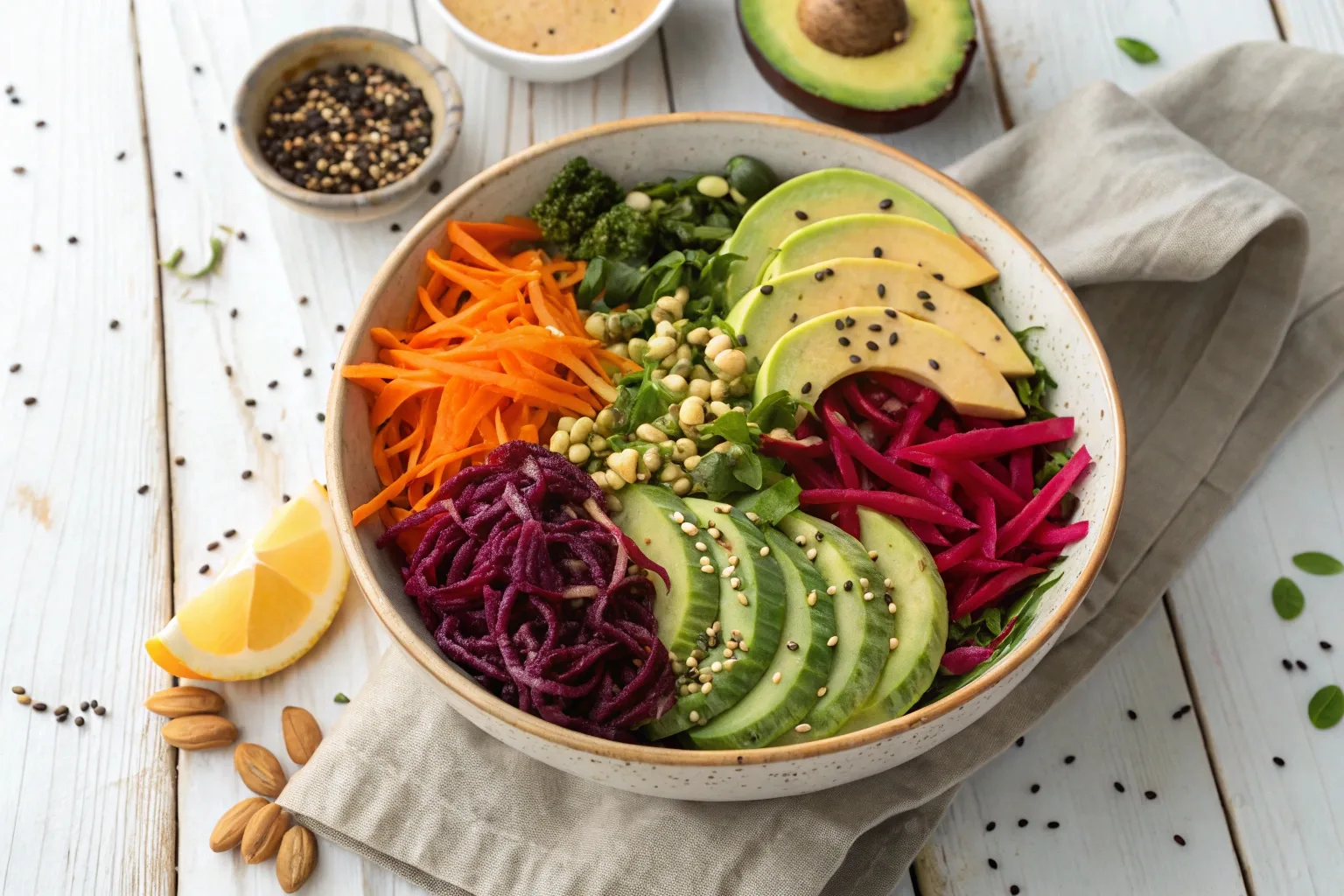
The microbiome detox salad has become popular as a wellness-focused dish built around whole, fiber-rich ingredients. Rather than acting as a cure or cleanse, it’s best understood as a nutrient-dense meal that supports everyday digestion and overall gut-friendly eating habits. Made with a combination of vegetables, fermented foods, and naturally flavorful ingredients, this type of salad fits well into a balanced approach to nutrition.
In this article, we explore why gut-friendly meals like this salad are widely recommended, what ingredients are commonly included, and how you can prepare your own version at home. From evidence-informed insights to a simple, satisfying recipe, you’ll find practical ideas for enjoying foods that support long-term digestive comfort and variety without extreme rules or quick fixes.
Table of content
Table of Contents
Microbiome Detox Salad That Transforms Your Gut Health Naturally
Disclaimer:
The information provided in this article is for educational and informational purposes only and is not intended as medical advice. Always consult with a qualified healthcare provider before making any changes to your diet, especially if you have any medical conditions or are taking medications. Individual results may vary. This gelatin recipe is not a substitute for professional weight loss programs or medical treatments.
Why This Microbiome Detox Salad Changed My Gut Game
A Gut-Friendly Habit Worth Keeping
I first came across the idea of a microbiome-focused salad during a gut-health challenge led by a local wellness coach. At the time, I was feeling low on energy and often uncomfortable after meals, which led me to experiment with different food choices. Instead of another supplement or restrictive plan, I decided to try adding this salad into my regular meals as a simple, food-first option.
Rather than offering instant results, what stood out to me was how approachable the ingredients felt. Over time, eating meals built around fiber-rich vegetables and fermented foods encouraged me to be more consistent with balanced eating, which made a noticeable difference in how I felt day to day. Experiences like these can vary from person to person, but they highlight why whole-food habits are often emphasized in gut-friendly approaches.
The microbiome detox salad isn’t a cure or a shortcut it’s built around commonly recommended food groups. Vegetables such as cabbage and onions are natural sources of dietary fiber, while fermented foods like kimchi or sauerkraut add flavor and variety. Together, these ingredients support diverse, plant-forward meals that many people include as part of a digestion-conscious routine.
What makes this salad appealing is its simplicity. It requires no cooking, can be prepared ahead of time, and fits easily into weekly meal plans. Enjoyed regularly, it becomes less about “detoxing” and more about maintaining variety and consistency in everyday meals.
For anyone interested in exploring gut-friendly eating, starting with simple, balanced dishes like this salad can feel more sustainable than extreme changes. Pairing it with other fermented or traditionally prepared foods such as pickled vegetables or naturally fermented cheeses can add interest and diversity without overcomplicating your routine.
Microbiome Detox Salad Benefits Backed by Research
What makes this microbiome-focused salad appealing is the thoughtful combination of fiber-rich vegetables, naturally colorful ingredients, and fermented foods. Together, these elements are commonly associated with balanced, digestion-friendly meals and are often included in eating patterns that emphasize whole foods and variety.
Diets that regularly include fiber and plant-based ingredients are widely encouraged for supporting normal digestive function. When meals are consistent and diverse, many people find digestion feels more comfortable over time. Rather than “flushing toxins,” the goal is to support the body’s natural processes through regular meals built around nourishing ingredients.
Enjoyed as part of a routine, this type of salad can help reinforce habits that prioritize gut comfort, balance, and overall well-being one simple meal at a time.
Ingredients That Power Your Microbiome Detox Salad
Gut-Boosting Ingredients That Actually Work
Every ingredient in a microbiome-focused salad is chosen with intention, emphasizing nourishment through whole foods rather than restrictive plans or supplements. The base is often made from leafy greens such as kale, arugula, or spinach, which provide texture, flavor, and a wide range of naturally occurring plant compounds.
These greens aren’t just filler they’re valued for their fiber content and naturally occurring antioxidants, which are commonly associated with balanced, plant-forward eating patterns. Including a variety of leafy vegetables helps add diversity to meals and supports everyday nutrition as part of a well-rounded diet.
Recipe Card
Print
Microbiome Detox Salad – Amazing Gut Reset in 5 Steps
- Total Time: 15min
- Yield: 2 servings 1x
- Diet: Vegan
Description
A fiber-rich, probiotic-powered salad designed to cleanse your gut, restore microbial balance, and boost digestion naturally.
Ingredients
- 2 cups kale or arugula
- 1 cup shredded red cabbage
- ½ cup grated carrots
- ½ cup grated beets
- ¼ cup sauerkraut or kimchi
- 1 small avocado, diced
- 2 tbsp pumpkin or chia seeds
- 1 scallion or 1 garlic clove, chopped
- Dressing: 2 tbsp olive oil, 1 tbsp apple cider vinegar, 1 tsp miso paste, 1 tsp Dijon mustard
Instructions
- Wash and chop all fresh vegetables and greens.
- Massage kale with lemon juice to soften.
- Combine greens, cabbage, carrots, beets, and avocado in a bowl.
- Add sauerkraut, seeds, and chopped scallion.
- In a jar, mix olive oil, ACV, miso, and mustard. Shake well.
- Pour dressing over salad and toss until coated.
- Serve immediately or chill for up to 2 hours before eating
Notes
- Start with smaller amounts of fermented foods if new to them.
- Great for meal prep, keep dressing separate until serving
- Prep Time: 15min
- Cook Time: 0 minute
- Category: Main Dish
- Method: RAW
- Cuisine: Functional Wellness
Nutrition
- Serving Size: 1 bowl
- Calories: 220
- Sugar: 6g
- Sodium: 190mg
- Fat: 16g
- Saturated Fat: 2g
- Unsaturated Fat: 13g
- Trans Fat: 0g
- Carbohydrates: 18g
- Fiber: 7g
- Protein: 5g
- Cholesterol: 0mg
Keywords: microbiome detox salad, gut detox salad, fermented salad, microbiome recipe
Next comes cabbage, whether red or green, which adds crunch and volume to the salad. Cabbage is widely appreciated for its fiber content and its role in plant-forward meals that emphasize variety. When paired with shredded carrots and beets, it creates a colorful mix that many people enjoy for its texture, freshness, and satisfying bite.
Ingredients like raw garlic or scallions are often included for their bold flavor, while radishes add a crisp contrast that brightens the overall dish. Together, these vegetables help build a salad that feels hearty and balanced, encouraging regular inclusion of vegetables in everyday meals.
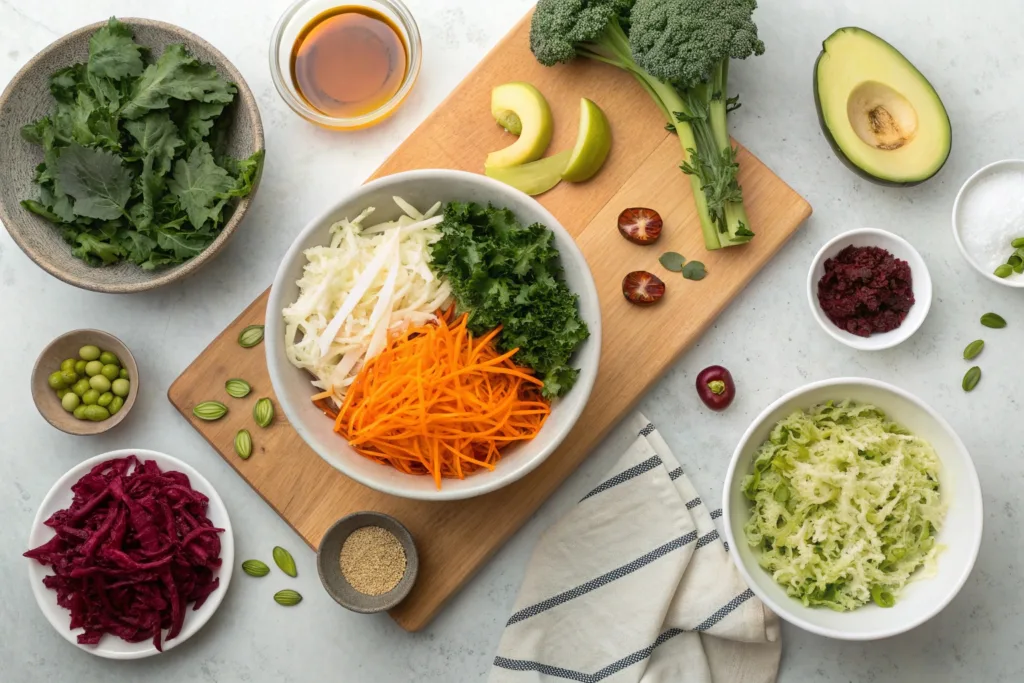
Next comes cabbage, whether red or green, which adds crunch and volume to the salad. It’s widely appreciated for its fiber content and its place in plant-forward meals that emphasize variety. When paired with shredded carrots and beets, it creates a colorful mix many people enjoy for its texture, freshness, and satisfying bite.
Ingredients like raw garlic or scallions are often included for their bold flavor, while radishes add a crisp contrast that brightens the dish. Together, these vegetables help build a salad that feels hearty and balanced, making it easier to enjoy more vegetables as part of everyday meals.
Smart Ingredient Swaps for Gut Support
Don’t stress if you’re missing a few ingredients this salad is flexible. Swap kale with baby spinach, use pickled red onions instead of kimchi, or try lemon juice with tahini for a creamy probiotic dressing. As long as you include fiber, healthy fats, and fermented elements, you’re giving your gut what it needs.
For inspiration, check out this fiber-rich veggie bake or pair your salad with a light homemade soup recipe for a complete, nourishing meal.
Remember: variety in plant-based foods equals microbial diversity. That’s the key to long-term gut health and this salad delivers exactly that.
How This Microbiome Detox Salad Supports Digestion and Detox
Why Gut Health Starts with What You Eat
The gut plays an important role in digestion and overall comfort, which is why many people pay attention to the foods they eat day to day. When meals feel heavy or inconsistent, it’s common to notice changes in energy, digestion, or how you feel overall. That’s where gut-friendly, plant-forward dishes like this salad can fit naturally into everyday eating habits.
Each bowl focuses on fiber-rich vegetables and fermented ingredients that are commonly included in balanced diets. Fiber is well known for supporting regular digestion as part of normal bodily processes, while fermented add-ins such as sauerkraut or miso contribute flavor and variety to meals. Together, these elements encourage a more mindful approach to eating rather than acting as a cleanse or treatment.
Over time, consistently choosing meals built around whole foods and variety can help many people feel more comfortable and in tune with their bodies. Experiences vary, but the emphasis remains on steady habits and food diversity not quick fixes or dramatic claims.
Detox That Doesn’t Deprive
Unlike juice cleanses or fasting trends, this microbiome-focused salad is built around nourishment rather than restriction. It emphasizes whole foods and regular meals, encouraging a more sustainable approach to eating that prioritizes variety, balance, and satisfaction.
One of the reasons this salad works well for many people is its flexibility. Rotating greens such as dandelion or watercress can add new flavors and textures, while citrus zest brings brightness and freshness to the dish. Pairing it with other light, fruit- or yogurt-based dishes can help round out a meal without making it feel heavy or repetitive.
Rather than acting as a “detox,” this approach focuses on consistency and enjoyment. When meals are both nourishing and appealing, they’re easier to stick with making this salad less of a short-term trend and more of a practical, enjoyable part of everyday eating.
How to Make a Microbiome Detox Salad at Home That You’ll Actually Crave
Build Your Perfect Gut-Friendly Bowl
Making your own microbiome-focused salad at home is simple and often more budget-friendly than buying prepackaged wellness products. The idea is to build a satisfying bowl using a base of greens, a mix of crunchy vegetables, a small amount of fermented toppings, and a flavorful dressing.
Start with a handful of dark leafy greens such as kale or arugula. Gently massaging them with lemon juice or olive oil helps soften their texture and makes the salad easier to enjoy, especially when using sturdier greens.
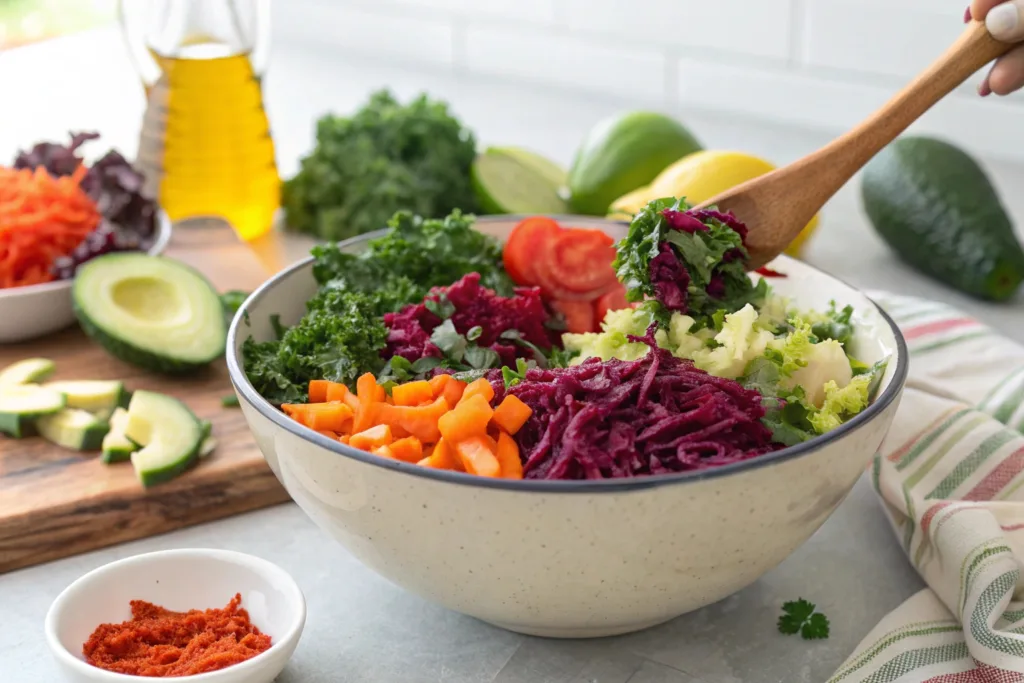
Next, add colorful shredded vegetables such as carrots, beets, and cabbage. These bring crunch, natural sweetness, and fiber, helping the salad feel filling and satisfying.
A small spoonful of fermented vegetables like kimchi, pickled radish, or sauerkraut adds tangy flavor and contrast, making the dish more interesting without overwhelming it. Avocado and seeds such as chia, flax, or pumpkin help round out the salad with richness and texture, turning it into a more complete and enjoyable meal.
Meal Prep and Dressings That Work for You
Want to make this salad part of your routine? Meal prepping can make it much easier. Chopping raw ingredients ahead of time and storing them in separate containers lets you mix and match throughout the week without ending up with soggy greens.
Dressings can also make a big difference. A simple blend of olive oil, apple cider vinegar, Dijon mustard, and a small amount of miso creates a creamy, tangy option that adds depth and flavor. Using dressings like this can help keep meals interesting, making it easier to stick with homemade salads over time.
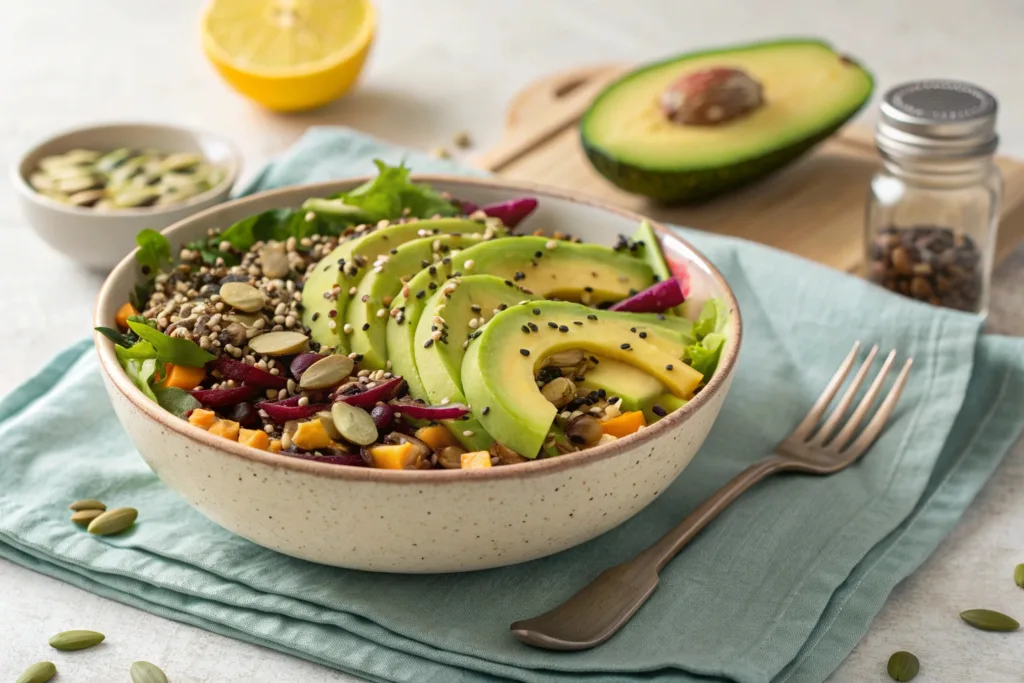
Make it even more satisfying by pairing it with a fruity chocolate bowl or a side of cottage flatbread. These additions help you create a full meal that fuels your body without bloating or fatigue.
The key is consistency. Including salads like this regularly can help reinforce balanced eating habits and make it easier to prioritize whole foods throughout the week. Because it’s so customizable, it’s also easier to enjoy often without feeling bored.
Rather than a “reset,” think of it as a fresh, homemade meal that supports routine, variety, and mindful eating prepared simply and enjoyed at your own pace.
Frequently Asked Questions
1. What is a microbiome detox salad?
A microbiome detox salad is a nutrient-dense bowl of raw and fermented ingredients designed to nourish your gut microbiota. It typically includes leafy greens, fibrous vegetables, and probiotic-rich foods like sauerkraut or miso. This combination promotes healthy digestion, reduces inflammation, and supports natural detoxification.
2. How often should I eat a microbiome detox salad?
For noticeable gut health benefits, aim to eat a microbiome detox salad 3 to 4 times per week. Consistency is key regular intake helps restore microbial balance, improves digestion, and supports immunity over time.
3. Can I add protein to a microbiome detox salad?
Absolutely. While the salad already offers some plant-based protein (from seeds or avocado), you can boost it with grilled chicken, hard-boiled eggs, tempeh, or even salmon. Just avoid heavily processed meats, which can disrupt the gut microbiome.
4. Do microbiome detox salads help with bloating?
Yes, they can. The combination of fiber and probiotics helps reduce bloating by supporting digestion and improving gut flora. However, if you’re new to fermented foods or high-fiber meals, introduce them slowly to avoid temporary gas or discomfort.
Conclusion
Making a microbiome-focused salad a regular part of your meals can be a simple, approachable way to emphasize whole, plant-forward foods. Rather than relying on harsh cleanses or extreme eating plans, this approach centers on variety, balance, and everyday ingredients you can enjoy at home.
By combining leafy greens, raw vegetables, fermented foods, and healthy fats, you create meals that highlight diversity and fiber key elements of many well-rounded eating patterns. The goal isn’t perfection, but consistency and enjoyment.
Whether you’re looking to feel more comfortable after meals or simply want a fresh, satisfying dish in your weekly rotation, this salad is easy to adapt to your preferences. Customize it to your taste, prep it ahead for busy days, and pair it with other nourishing meals from your kitchen. Over time, small, repeatable habits like this are what help support a sense of balance and overall well-being.
Have you tried this recipe ? how did you find it?
GPJSCzHTJMLbwHNastWPdMD
xgrKhnAmUYJiaxoBfkji