

Dandelion root tea has quietly gained attention among people who enjoy herbal beverages and plant-based traditions. Compared with more aggressive detox teas or trendy supplements, it’s often appreciated for its mild flavor and long history of culinary and herbal use. Rather than acting as a quick fix, dandelion root tea is best viewed as a simple drink that fits into balanced routines focused on hydration and mindful choices.
In this article, we’ll explore what dandelion root tea is, how it’s commonly used, how to prepare it at home, and what to consider before enjoying it regularly. The goal is to offer practical, food-first information so you can decide whether this herbal tea belongs in your daily habits.
table of content
Table of Contents
Dandelion Root Tea for Weight Loss: Benefits & Best
Disclaimer
The information provided in this article is for educational and informational purposes only and is not intended as medical advice. Always consult with a qualified healthcare provider before making any changes to your diet, especially if you have any medical conditions or are taking medications. Individual results may vary. This gelatin recipe is not a substitute for professional weight loss programs or medical treatments.
Why Dandelion Root Tea for Weight Loss is Gaining Popularity
My Natural Weight Loss Journey with Dandelion Tea
I still remember the first time I tried a cup of dandelion root tea. I wasn’t expecting much just an earthy flavor and a quiet moment to unwind in the evening. After a few days, what stood out wasn’t a dramatic change, but how naturally it fit into my routine. Taking time for a warm, caffeine-free drink encouraged me to slow down, be more mindful about meals, and stay consistent with simple habits like evening walks.
Over time, dandelion root tea became less about trends or results and more about routine. Paired with balanced eating and regular movement, it turned into a small, steady ritual that complemented my lifestyle rather than promising quick fixes.
What Makes Dandelion Root Tea So Special?
Let’s be clear: dandelion root tea isn’t a fat-burning miracle. Instead, it’s best understood as a mild, caffeine-free herbal drink that some people enjoy as part of a balanced routine. Traditionally, it has been consumed for its earthy flavor and as an alternative to heavier beverages, especially after meals.
Many people appreciate dandelion root tea because it fits easily into habits that emphasize hydration, regular meals, and mindful eating. It contains naturally occurring plant compounds and minerals, which is one reason it has remained popular in herbal traditions. Individual experiences vary, but for some, sipping a warm cup after a meal can feel soothing and help signal a pause rather than a rush to snack.
Compared with more aggressive weight-loss products or stimulant-based teas, dandelion root tea is often chosen for its gentle nature and simplicity. Rather than forcing changes, it complements routines built around whole foods, consistency, and everyday choices, qualities that tend to matter more over time than any single drink.
For more natural foods that promote gut balance and reduce inflammation, check out high-fiber low-carb recipes and our best cheese options for gut health.
How It Supports Weight Loss
Natural Diuretic Effect and Bloating Relief
One reason some people are curious about dandelion root tea is its long-standing use in herbal traditions as a light, caffeine-free beverage. Rather than acting as a quick fix, it’s often enjoyed as part of routines that emphasize hydration and moderation, especially after periods of heavier or saltier meals.
When people feel bloated or sluggish, focusing on fluids, balanced meals, and simple habits can make a noticeable difference in comfort. Warm herbal teas like dandelion root tea are sometimes chosen in these moments because they encourage regular hydration and a slower pace, which can help people reset their eating rhythm rather than chase rapid results.
Dandelion root naturally contains minerals such as potassium, which is one reason it has remained popular in traditional food and herbal practices. As with any herbal tea, individual responses vary, and it’s best enjoyed as part of an overall approach that includes adequate water intake, varied meals, and attention to how your body feels over time.

Does It Really Burn Fat or Just Reduce Water?
It’s worth being clear: dandelion root tea does not directly burn fat. Instead, it’s best understood as a gentle, caffeine-free beverage that fits into routines focused on hydration and mindful eating. On its own, no tea can replace the role of consistent nutrition, movement, and sleep when it comes to long-term weight management.
Traditionally, dandelion root tea has been enjoyed as part of balanced lifestyles that emphasize regular meals and moderation. Many people choose it as an alternative to heavier drinks, especially during periods when they want to be more intentional about food choices and daily habits.
Dandelion root naturally contains plant fibers and compounds that are commonly found in whole foods. Diets that include a variety of fiber-rich ingredients are widely encouraged for supporting normal digestion and appetite awareness. When digestion feels more comfortable and routines are consistent, it can become easier to maintain steady eating patterns over time.
Pair your dandelion tea habit with gut-friendly meals like low-fat cottage cheese recipes or light bites such as cucumber cream cheese sandwiches, and you’ll give your system the extra boost it needs.
How to Use Dandelion Root Tea Safely
How Much and When to Drink Dandelion Tea?
Timing and moderation can influence how dandelion root tea fits into a daily routine. Many people prefer enjoying herbal teas earlier in the day, especially if they’re sensitive to frequent trips to the bathroom or prefer lighter drinks in the evening.
Rather than focusing on strict amounts or schedules, it can be helpful to pay attention to how your body responds and adjust accordingly. Enjoyed mindfully, dandelion root tea works best as part of an overall approach that includes regular hydration, balanced meals, and consistent habits rather than as a standalone solution.
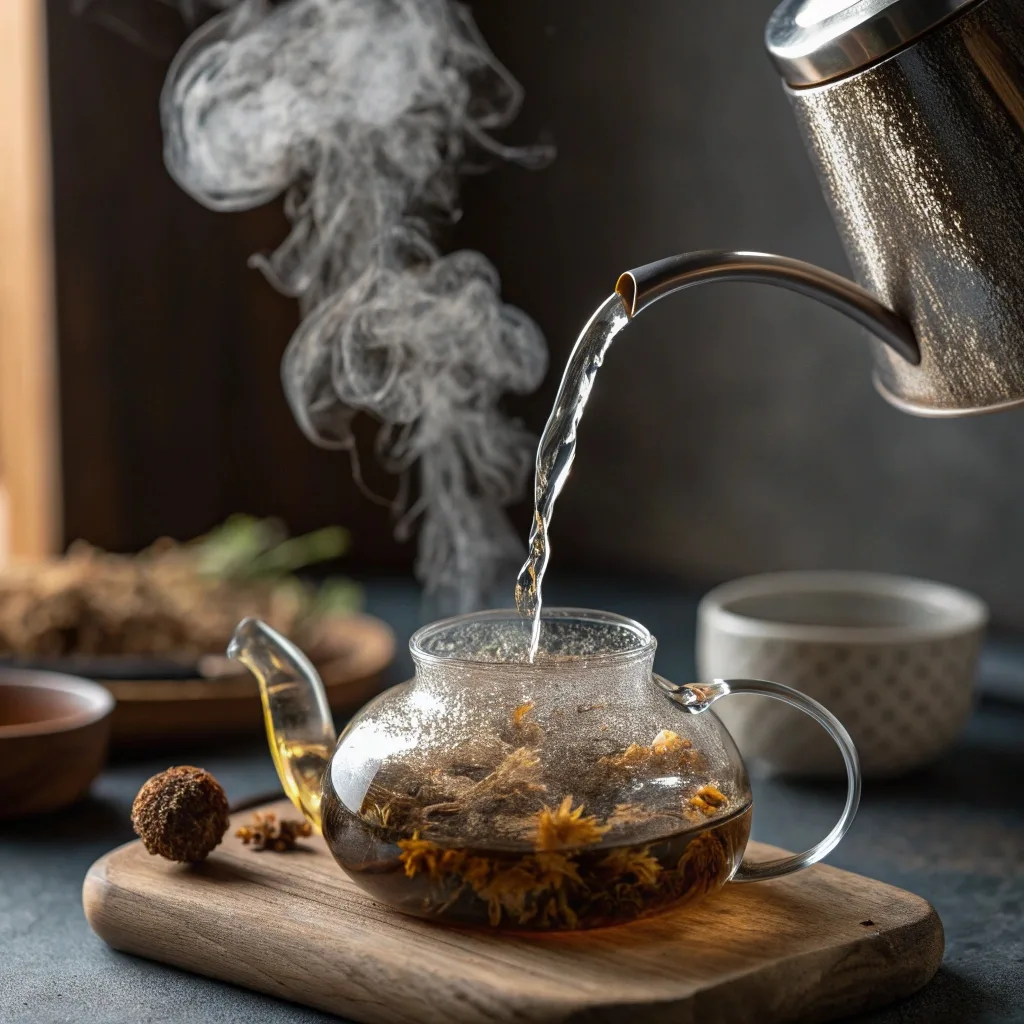
Some people like to enjoy dandelion root tea around mealtimes as part of a mindful eating routine. Having a warm, caffeine-free drink before sitting down to eat can encourage a slower pace and help signal a transition into mealtime, which many find useful for staying more intentional with food choices.
Rather than preparing the digestive system in a medical sense, the ritual itself pausing, sipping, and settling can help meals feel more relaxed and satisfying. As always, preferences vary, and it’s best to notice what timing feels most comfortable for you.
Here’s a quick reference table:
| Time of Day | Recommended Intake |
|---|---|
| Morning | 1 cup on an empty stomach |
| Before Lunch | 1 cup 30 minutes prior |
| Evening | Avoid to prevent sleep disruption |
Keep in mind, herbal remedies work best with consistency, not excess. There’s no benefit to overloading your system balance is everything.
Precautions, Side Effects, and Who Should Avoid It
While dandelion root tea is widely enjoyed as an herbal beverage, it may not be suitable for everyone. Individuals with known sensitivities to plants in the ragweed or daisy family may prefer to avoid it, as reactions can vary from person to person.
Anyone taking medications particularly those related to fluid balance, blood sugar, or mineral levels may want to check with a healthcare professional before adding new herbal teas to their routine. Herbal ingredients can interact differently depending on individual circumstances.
As with many foods and drinks, moderation matters. Drinking large amounts may feel uncomfortable for some people, leading to mild digestive upset or more frequent trips to the bathroom. Paying attention to how your body responds and adjusting intake accordingly is usually the best approach.
For those seeking gentler alternatives, try these healthy green tea drinks or nutrient-packed weight loss smoothies to rotate into your routine without risk.
Additional Health Perks of Dandelion Root Tea
Liver Cleanse and Digestive Support
Beyond weight-loss conversations, dandelion root tea is often appreciated as a mild, caffeine-free herbal drink with a long history of traditional use. Many people include it in their routines as an alternative to heavier beverages, especially around mealtimes or during periods when they want to focus on simpler, more intentional habits.
The liver plays an important role in everyday bodily functions, and while no tea can “cleanse” or repair organs, maintaining regular hydration and balanced eating patterns is widely encouraged for overall wellness. Dandelion root tea is sometimes chosen in these routines because it feels light, warming, and easy to incorporate alongside meals rather than acting as a treatment.
Some people find that adding fiber-rich foods and herbal teas to their day encourages a more comfortable eating rhythm. Dandelion root naturally contains plant compounds and fibers that are commonly found in whole foods, which is one reason it continues to appear in traditional food and herbal practices.
Rather than promising dramatic changes, dandelion root tea works best as a small, supportive habit, one that complements regular meals, variety, and consistency over time.
For cheese lovers looking to support their digestion even further, explore our cheese with probiotics that pair deliciously with herbal teas.
Vitamins, Minerals, and Antioxidants
Dandelion root is also valued for its naturally occurring nutrients. It contains a range of vitamins and minerals commonly found in plant foods, including vitamins A, C, and K, along with several B vitamins and minerals such as potassium, magnesium, and iron. These nutrients are part of a varied diet that emphasizes whole, minimally processed ingredients.
In addition, dandelion root includes plant compounds like polyphenols and flavonoids, which contribute to its characteristic flavor and are present in many fruits, vegetables, and herbs. Enjoyed as an herbal tea, it can be a simple way to add variety to your daily beverage choices. Rather than offering dramatic results, dandelion root tea fits best as a gentle, everyday option that complements balanced eating patterns and long-term lifestyle habits.

As you transition from a weight-loss goal to general wellness, keep exploring nutrient-dense recipes like our high-fiber low-carb meals, perfect for staying energized and satisfied.
FAQs About Dandelion Root Tea for Weight Loss
Is it OK to drink dandelion tea every day?
Yes, most people can safely drink 1–2 cups of dandelion root tea daily. It’s a natural herb with mild diuretic effects, so moderation is key. If you’re on medications or have kidney/liver issues, consult your doctor first. For general wellness and bloating relief, daily use is usually well-tolerated.
When should I drink dandelion tea for weight loss?
The best time to drink dandelion root tea for weight loss is in the morning on an empty stomach or about 30 minutes before meals. This timing can help support digestion, curb appetite, and gently detox the body. Avoid drinking it late at night to prevent sleep disruption from frequent urination.
How fast does dandelion tea work for water weight?
Some people notice reduced bloating within a few hours of drinking their first cup, especially if they were retaining water. For consistent results, drink it daily for about a week. Keep in mind that true fat loss requires a balanced diet and movement—it’s not a magic bullet.
Does dandelion tea cleanse the liver?
Yes. Dandelion root is well-known for supporting liver detoxification. It helps stimulate bile production and supports the liver’s ability to metabolize fats and eliminate toxins. This is why many people drink it during spring or post-indulgence resets.
Recipe Card
Print
Dandelion Root Tea for Weight Loss – 7 Amazing Benefits
- Total Time: 20min
- Yield: 2 servings 1x
- Diet: Vegan
Description
A soothing herbal drink, dandelion root tea supports natural weight loss by reducing bloating, aiding digestion, and cleansing the liver.
Ingredients
- 2 tsp dried dandelion root
- 2 cups hot water
- Optional: lemon, honey
Instructions
- Bring 2 cups of water to a boil.
- Add dried dandelion root.
- Steep for 10–15 minutes.
- Strain and pour into cup.
- Add lemon or honey if desired.
Notes
- Best consumed 1–2 times daily before meals.
- Avoid late evening to prevent sleep disruption.
- Prep Time: 5 minutes
- Cook Time: 15 minutes
- Category: Drinks ( Herbal Tea, Weight Loss)
- Method: Boiling and Steeping
- Cuisine: Herbal remedy
Keywords: dandelion root tea for weight loss, detox tea, herbal tea
Conclusion
Dandelion root tea isn’t a passing trend, t’s a traditional herbal beverage that many people appreciate for its simplicity and long history of use. Rather than promising dramatic changes, it fits best into routines focused on hydration, balance, and mindful daily habits.
While it won’t deliver overnight results, enjoying gentle practices like herbal teas, regular meals, and consistent routines can help many people feel more comfortable and grounded over time. Seen this way, dandelion root tea works as a supportive addition to everyday wellness rather than a quick solution or cure.
If you’re looking for a sustainable, low-effort way to support your wellness goals, a daily cup of dandelion root tea might just be the habit you stick with. Pair it with nourishing meals like gut-friendly cheeses or low-carb recipes, and you’ll be well on your way to feeling great inside and out.